
"coffee ecosystem"
1100 article(s) found

The relationship between altitude, variety and coffee flavor? What are the advantages of high-altitude coffee?
Professional coffee knowledge exchange more coffee bean information please pay attention to the coffee workshop (Wechat official account cafe_style) altitude, variety and coffee flavor relationship? What are the advantages of high-altitude coffee? What kind of coffee varieties should be planted in what environment, which involves complex genetic traits and ecosystems, has become the hottest field of coffee science in recent years. French Center for International Agricultural Development

Flavor description of Ethiopian Coffee introduction to planting Environment
Large-scale coffee-growing villages account for about 35% of the country's total coffee production. These coffee farms, which use a multi-tier coffee planting system, are carefully cared for. Coffee farmers do not use chemical fertilizers, but use fallen leaves and animal and plant debris to increase soil nutrition. In addition to coffee, farmers also frequently grow non-coffee crops. It even accounts for the total amount of coffee in the country.

Which coffee brand is better in Ethiopia? the characteristics and flavor of Ethiopian coffee beans.
Professional coffee knowledge exchange more coffee bean information please follow the coffee workshop (Wechat official account cafe_style) the front street of Ethiopian coffee brand-Yega Xuefei Coffee introduces the growing environment of Ethiopian coffee Ethiopia has unique natural conditions, suitable for growing all imaginable coffee varieties. Ethiopian coffee beans as upland crop owners

Unique Panamanian Coffee Flavor and Taste the characteristics of Cochell Manor are introduced.
Located in the most advantaged natural conditions, Ethiopia produces unique high-quality coffee every year. Ethiopia's coffee growing cycle brings the joy of harvest to the country every year. Beautiful white coffee flowers will bloom and bear fruit every year from March to April. Only the reddest and ripe fruits will be selected between September and December.

Introduction to the characteristics of Ethiopian Coffee Flavor description Variety Grinding degree and Baking degree
Washed coffee accounts for 35% of exports. Good quality washed coffee is processed with freshly picked fully ripe fruit, picked carefully and closely monitored by professionals. The picked clean coffee beans are pulped on the day of picking, then fermented, washed, dried and peeled. The humidity of processed coffee beans is kept at about 12%. Sun-cured coffee accounts for 65% of exports. Mainly by

Aromatic Ethiopian coffee estate Flavor Description Variety Features Taste Introduction
Ethiopia's coffee market regulator is the Ethiopian Coffee and Tea Products Authority. There are two auction centers in the country, one in Addis Ababa and the other in Dire Dawa in eastern Ethiopia. Coffee farmers bring fresh fruit either to private coffee processing plants or to cooperative coffee washing stations

What is the price of Essel coffee beans? is it expensive? how should I drink Essel coffee powder?
Professional coffee knowledge exchange more coffee bean information please follow the coffee workshop (Wechat official account cafe_style) Ethiopia although Ethiopia is an underdeveloped country in northeast Africa, but this country is a world-famous coffee producer. Ethiopia has the most diverse coffee ecosystem in the world (forest coffee, semi-forest coffee, pastoral coffee and

Introduction to the flavor and taste characteristics of Ethiopian coffee manor with fragrant and mellow smell
Ethiopian coffee beans grow in close to the natural environment. After years of planting under the same growth conditions, Ethiopian coffee beans have gradually adapted to the environment here. More than 60% of coffee beans are grown in forests or semi-forests. Large-scale coffee-growing villages account for about 35% of the country's total coffee production.
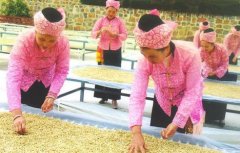
Coffee beans with the highest performance-to-price ratio Coffee cultivation in Louise Manor, Panama, climate is simple above sea level
Casa Ruiz, S.A. The family and his coffee partners chose to follow the Boquete growing area, which is traditionally environmentally friendly and maintains the natural ecosystem, and because the natural trees in the area provide rich natural environmental resources, the environment has become a transit habitat for migratory birds. Casa Ruiz, S.A., Panama.

What's so special about African Ethiopian coffee? what's the best coffee in Ethiopia?
Professional coffee knowledge exchange more coffee bean information please follow the coffee workshop (Wechat official account cafe_style) about Ethiopian coffee Ethiopia is an underdeveloped country located in northeast Africa, but this country is a world-famous coffee producer. Ethiopia has the most diverse coffee ecosystem in the world (forest coffee, semi-forest coffee, pastoral).

South American boutique coffee beans | introduction to the varieties and flavors of coffee producing areas in the Holy Valley of Ecuador
More information about coffee beans Please follow Coffee Workshop (official Wechat account cafe_style) located in Ecuador in Latin America, which is straddled by the equator and has a variety of landscapes that make it one of the most biologically diverse countries in the world. This also allows coffee beans to be grown in all four natural regions of Ecuador, even thousands of miles away in Galapago.

Introduction to the Coffee planting Environment of Diancheng Manor in Guatemala the meaning of La Bella
Professional coffee knowledge exchange more information about coffee beans Please follow the Coffee Workshop (Wechat official account cafe_style) the Las Minas Mountains are located in eastern Guatemala and contain countless treasures belonging to Guatemala. In addition to the natural forest ecosystem and wildlife, it is rich in gold deposits and jade veins, making the treasures of the Las Minas Mountains famous throughout Central America.

Ethiopian Coffee Flavor Description Grind Taste Variety Fine Coffee Introduction
In July 1991, EPF hosted a national conference attended by more than 20 political and ethnic organizations. The meeting adopted the Transitional Charter and elected an 87-member House of Representatives, with EPF Chairman Meles Zenawi as President of the Transitional Government and President of the House of Representatives. A transitional government was established. On 24 May 1993, Eritrea (formerly Ethiopian Province of Eritrea) adopted a resolution at the International Conference on the Elimination of All Forms of Discrimination against Women (ICPD).

Good average quality; aromatic and full-bodied Ethiopian coffee plantation taste characteristics
Ethiopian coffee beans grow in a near-natural environment. After years of cultivation under the same growing conditions, Ethiopian coffee beans have gradually adapted to the environment here. More than 60% of coffee beans are forest or semi-forest grown coffee. Coffee farming villages produce about 35 percent of the country's coffee.
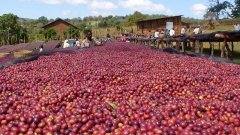
Guatemala coffee varieties Vera Sachi good or bad Guatemala coffee estate-Biya estate
Professional barista exchanges, please pay attention to coffee workshop (Weixin Official Accounts cafe_style ) estate introduction Las Minas Mountains is located in the east of Guatemala, containing countless treasures belonging to Guatemala. In addition to natural forest ecosystems and wildlife, it contains rich gold and jade veins, making the Las Minas Mountains famous for their treasures throughout Central America. to protect

Introduction of Coffee Bean growing Environment in Ethiopia
Ethiopian coffee beans grow in close to the natural environment, after years of planting under the same growth conditions, Ethiopian coffee beans have gradually adapted to the environment here. More than 60% of coffee beans are grown in forests or semi-forests. Large-scale coffee-growing villages account for about 35% of the country's total coffee production. Many of these are used.

Introduction to the characteristics of the method of grinding degree treatment for Ethiopian coffee with rich alcohol thickness
Ethiopia produces between 200000 and 250000 tons of coffee each year. Today, Ethiopia has become one of the largest coffee producers in the world, ranking 14th in the world and fourth in Africa. Ethiopia has a unique flavor that is different from other flavors and provides customers all over the world with a wide range of taste choices. In the southwest of Ethiopia

Introduction to the Fine Coffee Flavor Manor of Ethiopia
Ethiopian coffee beans grow in close to the natural environment, after years of planting under the same growth conditions, Ethiopian coffee beans have gradually adapted to the environment here. More than 60% of coffee beans are grown in forests or semi-forests. Large-scale coffee-growing villages account for about 35% of the country's total coffee production. Many of these are used.

Introduction to the flavor and taste of Ethiopian boutique coffee beans and the characteristics of the manor producing area
A large amount of coffee production (95%) is done by small shareholders, with an average yield of 561 kg per hectare. For centuries, minority holders of Ethiopian coffee farms have been producing a variety of high-quality types of coffee. The secret of producing high-quality coffee is that coffee farmers have developed the right environment through generations of repeated learning about the coffee planting process.

What are the advantages of rainforest certified coffee? What is rainforest certified coffee?
Rainforest Alliance Overview Rainforest Alliance (RA) was founded in 1987, headquartered in New York, USA. It is not only a non-profit international non-governmental environmental protection organization, but also the largest and most authoritative professional FSC certification organization recognized by FSC. Its mission is to protect global ecosystems and make a living by changing land use patterns, business and consumer behavior.